Vinyl vs Wood Fence: Which Is Worth It?
Vinyl vs wood fence compared on 2026 installed cost per foot, lifespan, staining and upkeep, cost per year, and when each is the better buy.
By the GableMath team · Published · 4 min read
Wood costs less up front — about $15–$45 per foot installed for a privacy fence versus $25–$60 for vinyl — and can be repaired board by board, but it needs staining every few years and usually lasts 15–20 years. Vinyl costs roughly 40% more but needs little more than washing and typically lasts 20–30 years. Over its life, vinyl usually comes out even or ahead if you'd pay someone to stain the wood.
- Tight budget, DIY-friendly
- Pressure-treated wood
- No time for staining, staying long
- Vinyl
- Natural look, long life
- Cedar, kept stained
- Pool barrier or HOA white picket
- Vinyl
Short answer: wood is cheaper to build, vinyl is cheaper to own if you'd otherwise pay for staining. A wood privacy fence typically costs about $15–$45 per linear foot installed and a vinyl privacy fence about $25–$60, according to Modernize's August 2026 figures. Vinyl skips the staining cycle and usually outlasts pressure-treated wood by a decade, which closes most of that gap over the life of the fence.
Vinyl vs wood fence at a glance
| Pressure-treated pine | Cedar | Vinyl (PVC) | |
|---|---|---|---|
| Installed cost (Fixr / Modernize) | ~$10–$25 per ft | ~$15–$30 per ft | ~$25–$60 per ft |
| Typical lifespan | ~10–20 years | ~15–25 years with care | ~20–30 years |
| Maintenance | Stain or seal every 2–3 years | Stain or seal every 2–3 years | Wash once or twice a year |
| Repairs | Replace single boards cheaply | Same | Replace whole panels; match the maker |
| Look | Paintable, stainable | Natural color and grain | White, tan, gray, wood-grain textures |
| Weak spots | Warping, rot at ground line | Grays without finish | Can crack on hard impact; thin vinyl sags |
Cost ranges: wood species from Fixr (Jan 2025); vinyl from Modernize (Aug 2026), whose wood privacy range is $15–$45. Lifespans: installer guides — note that many come from companies that sell vinyl, so treat the long vinyl figures as optimistic.
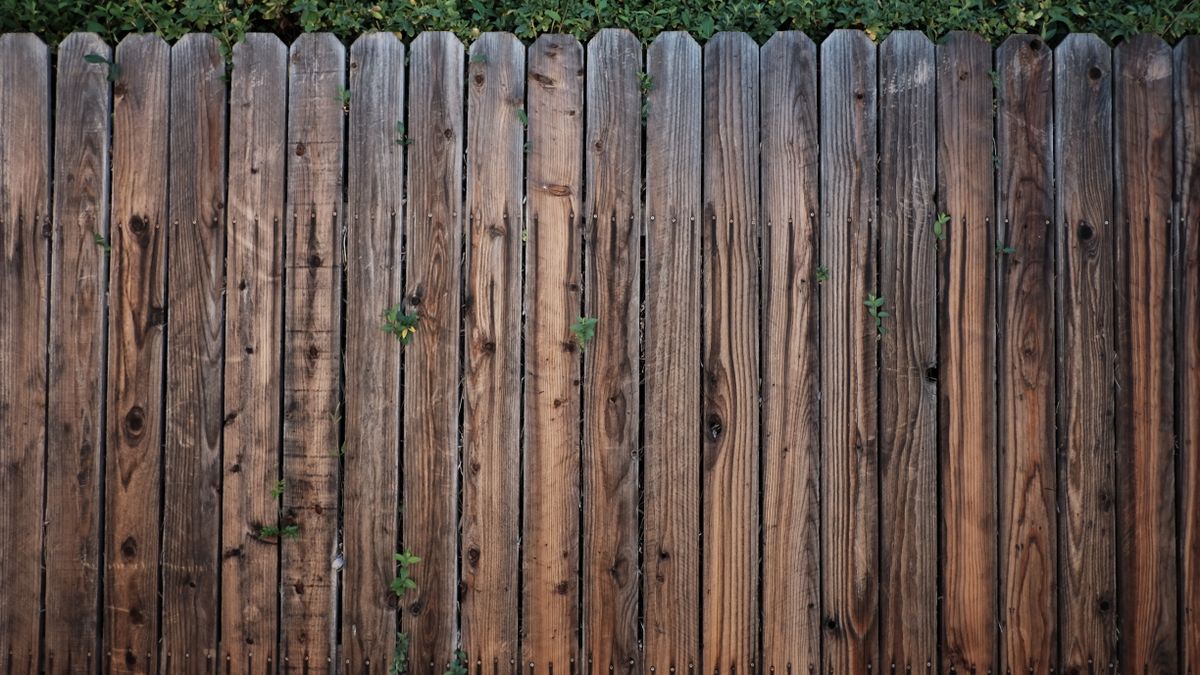
Vinyl vs wood fence cost
For a typical 150 ft backyard privacy fence, 6 ft tall:
| Wood (pressure-treated) | Vinyl | |
|---|---|---|
| Installed (Modernize range) | ~$2,250–$6,750 | ~$3,750–$9,000 |
| Midpoint | ~$4,500 | ~$6,375 |
| Staining both sides | ~9 gal per coat at 200 sq ft/gal, every 2–3 years | None |
| Typical life | ~17 years | ~25 years |
| Cost per year (midpoint, before staining) | ~$265 | ~$255 |
At the midpoints, the two cost about the same per year before you count a single gallon of stain — and the wood fence needs a stain job every two or three years. If you do it yourself, that's mostly a weekend and the cost of stain; if you hire it out, vinyl clearly wins over the long run.
Homewyse's May 2026 contractor-grade figures run higher for both — about $33–$54 per foot for wood privacy and $59–$82 for 6 ft vinyl — so get local quotes. The fence cost calculator compares materials for your length with gates.
Vinyl or wood fence: maintenance and durability
Wood moves with the weather. Boards cup, gaps open in dry months, and the posts rot first at the ground line. A good stain or sealer slows all of that; Thompson's advises waiting about 30 days before treating new pressure-treated lumber so it can dry out. The deck stain calculator works out gallons for a fence too.
Vinyl doesn't rot, splinter or need finishing. Its weak points are impact (a mower throwing a rock, a ladder falling) and sun on cheap, thin profiles. Buy thicker-walled panels and reinforced posts — gate posts in vinyl systems need an aluminum or steel stiffener inside.
Both live or die by their posts. Set them deep enough for your frost line with gravel at the bottom; the post hole calculator counts the concrete.
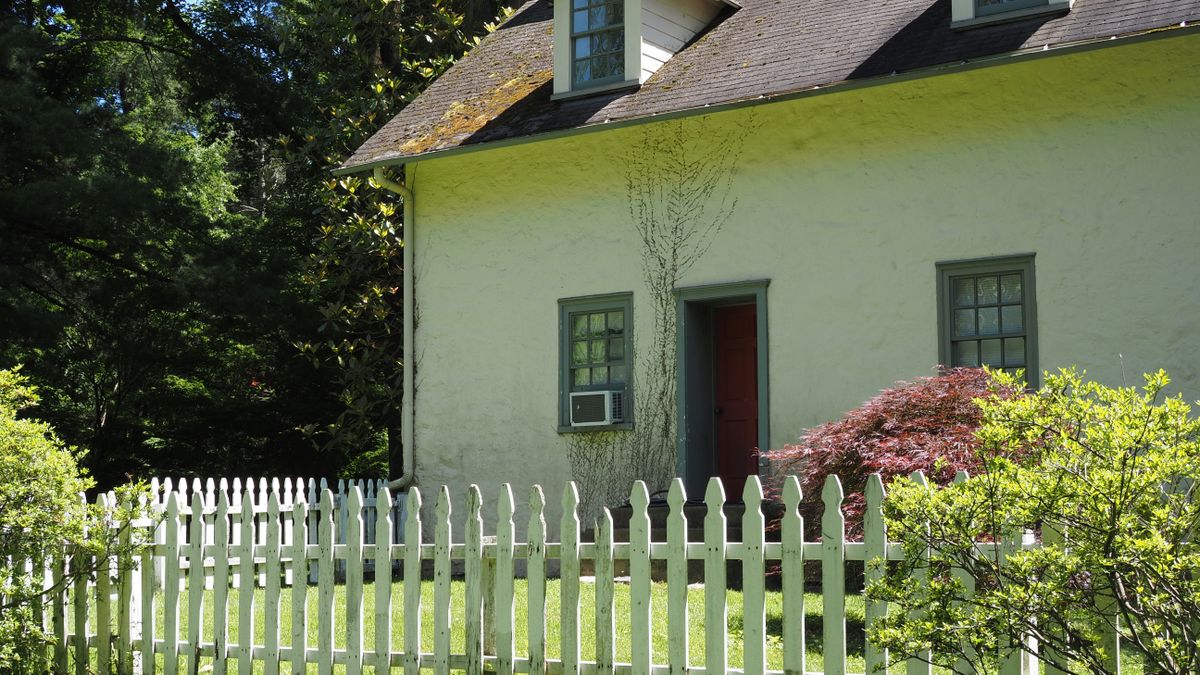
How to make a wood fence last
Most wood fences fail at the posts and the bottom of the boards, not in the middle. A few habits add years:
- Use ground-contact posts and set them on gravel so water drains away from the end grain; slope the concrete or soil away from the post.
- Keep boards off the ground by an inch or two so they don't wick moisture, and trim plants back so the fence can dry.
- Finish it on schedule. Stain coverage varies a lot by product and by how rough the wood is:
| Finish (label figures) | Coverage per gallon | Coats |
|---|---|---|
| Thompson's semi-transparent stain | 150–400 sq ft | 1 |
| Cabot semi-transparent stain & sealer | 200–650 sq ft | 1 |
| Cabot solid-color siding & fence stain | 200–400 sq ft | 2 recommended |
New pressure-treated lumber needs time to dry first — Thompson's says about 30 days; Ready Seal recommends one to three months. Rough-sawn boards drink more stain than smooth ones, so plan on the low end of each range.
For vinyl, the equivalent habits are simpler: wash shaded sections where mildew grows, keep the mower and string trimmer off the panels, and make sure gate posts have their metal stiffeners — vinyl gates sag without them.
Which is better for your situation?
- Choose wood if budget is the priority, you like a natural or painted look, you're comfortable staining every few years, or your HOA or neighborhood favors wood.
- Choose cedar if you want wood's look with better rot resistance and are willing to keep it sealed.
- Choose vinyl if you want a fence you'll barely think about for 20 years, you need a pool-code or picket look that stays bright white, or you'd hire out staining anyway.
Our recommendation
For a long-term home, vinyl's maintenance savings make it the better value for most people — as long as you buy a thick, reputable product and have it installed with properly set posts. For a rental, a tight budget or a fence you might move in a few years, pressure-treated wood is hard to beat. Start with the fence calculator to count posts and panels, then price both options.

Questions people ask
How much more expensive is vinyl than wood fence?
Roughly 40% more at the middle of the ranges. Modernize's August 2026 figures put installed wood privacy fencing at $15–$45 per linear foot and vinyl privacy at $25–$60. For 150 ft, that's about $2,250–$6,750 in wood versus $3,750–$9,000 in vinyl.
What is the average lifespan of a vinyl fence?
About 20–30 years for a well-installed fence of good-quality vinyl, by most installers' estimates. Pressure-treated pine fences commonly last 10–20 years and cedar about 15–25 years with regular care.
What are the downsides of vinyl fencing?
Higher upfront cost, limited colors that can't easily be changed, panels that can crack from hard impacts (especially thin, low-grade vinyl in the cold), and repairs that need matching panels from the same manufacturer. Shaded sides can grow mildew and need washing.
Do vinyl fences increase home value?
There's no solid data that any fence adds a fixed amount to a home's sale price. A clean, intact fence helps curb appeal and matters to buyers with kids or dogs; a weathered, leaning one hurts. Vinyl's advantage is that it still looks new at sale time without recent work.
What are the downsides of a wood fence?
Wood needs a stain or sealer every two to three years, warps and cups as it wets and dries, and eventually rots — usually first at the posts and at the bottom of the boards. In some areas termites and carpenter bees add to the upkeep. Its upside is that a damaged board or rail is cheap and easy to replace.
Where these numbers come from
- Modernize — fence installation cost (August 2026) — Installed per linear foot: wood privacy $15–$45, vinyl privacy $25–$60 · checked October 2026
- Fixr — wood fence cost (Jan 2025) — Pressure-treated pine $10–$25 per foot; cedar $15–$30 per foot · checked October 2026
- Homewyse — cost to install a fence (May 2026) — Contractor-grade 6 ft vinyl privacy $58.70–$82.35 per foot; wood privacy $33.48–$53.87 · checked October 2026
- Thompson's WaterSeal semi-transparent stain — product page — 150–400 sq ft per gallon; wait 30 days before treating new pressure-treated wood · checked October 2026
- Cool Cat Fence — how long does a vinyl fence last — 20–30 years for a well-installed vinyl fence · checked October 2026