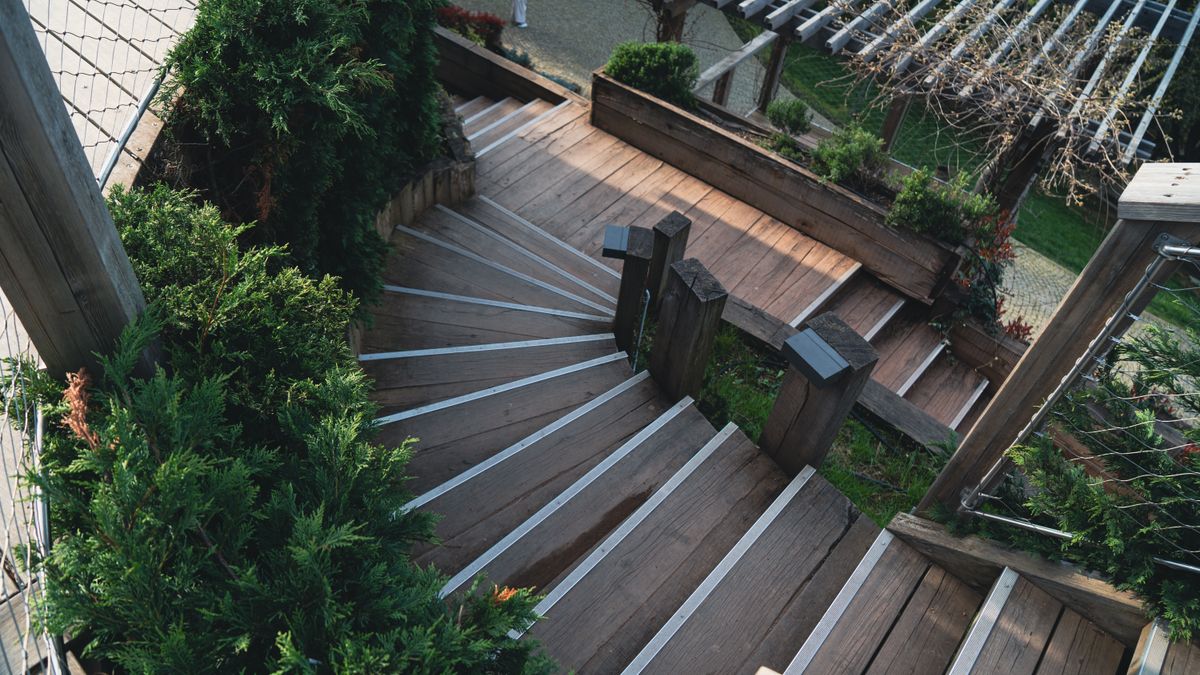
Baluster calculator: how many per section
Each railing section between two posts is calculated on its own, because posts are rarely spaced exactly the same. Measure between the inside faces of the posts — not center to center — and enter the baluster width.
The calculator finds the smallest number of balusters that keeps every gap at or under your maximum, then spaces them evenly:
- Count = (space − max gap) ÷ (baluster width + max gap), rounded up
- Gap = (space − count × baluster width) ÷ (count + 1)
| Section between posts | 1-1/2 in wood | 1-1/4 in turned | 3/4 in round metal | 5/8 in square metal |
|---|---|---|---|---|
| 36 in (3 ft) | 7 | 7 | 8 | 8 |
| 48 in (4 ft) | 9 | 10 | 11 | 11 |
| 60 in (5 ft) | 12 | 12 | 14 | 14 |
| 72 in (6 ft) | 14 | 15 | 17 | 17 |
| 96 in (8 ft) | 19 | 20 | 22 | 23 |
All with a 3-1/2 in maximum gap. Buy 5–10% extra; balusters split at the screw holes more often than you'd expect.
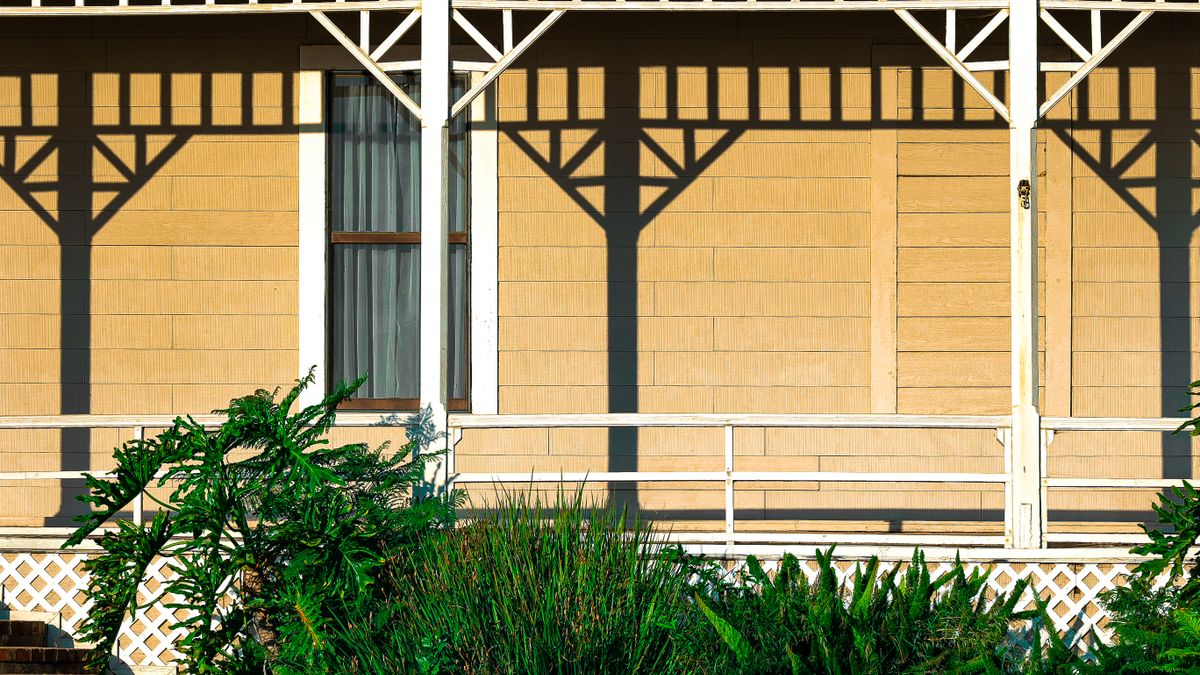
Spindle spacing calculator: the exact layout
The two numbers to mark on the rail are the first baluster center (one gap plus half a baluster from the post) and the on-center spacing (one gap plus one baluster width). For 72 in with 1-1/2 in balusters that's a first center 4.15 in from the post and then every 4.9 in.
The fastest way to install them evenly isn't a tape measure — it's a spacer block. Rip a scrap exactly as wide as the calculated gap, hold it against the last baluster, and fasten the next one. Check the last gap before you fasten the final three; if it's off, split the difference across them.
The 4-inch sphere rule
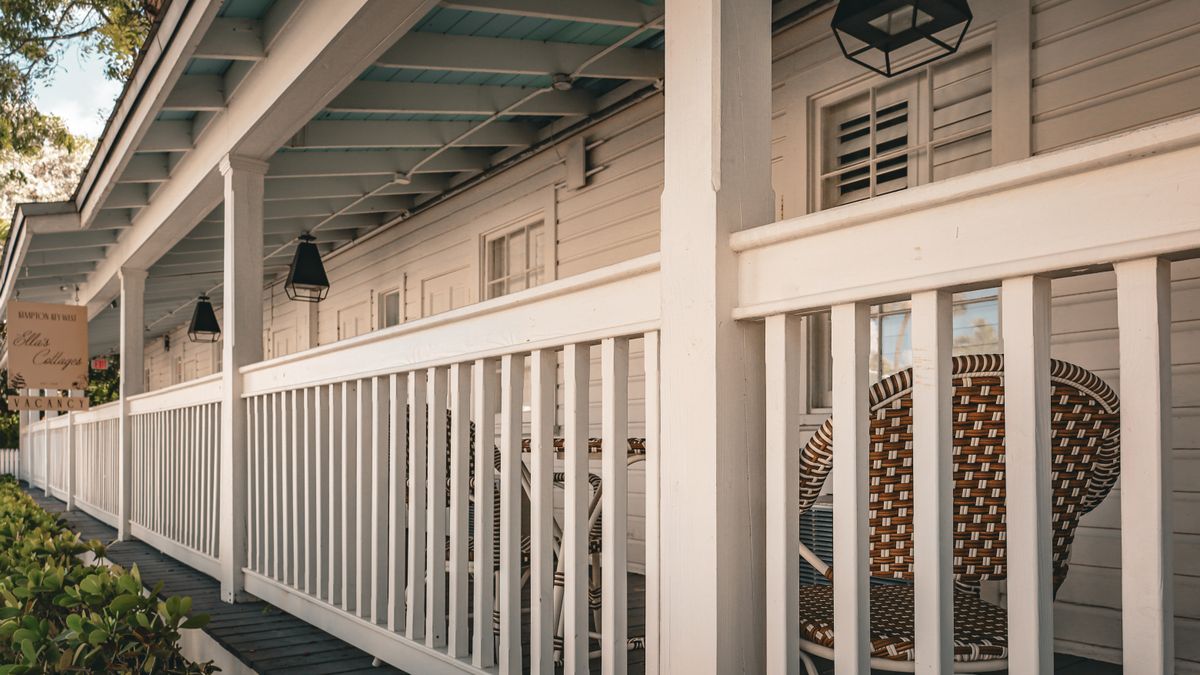
The IRC's guard rule is written as a test: a 4 in sphere must not pass through any opening in a required guard. That's why the gap must be under 4 in, not equal to it. Two exceptions matter on most decks and stairs:
- On the open side of a stair, the triangle formed by the tread, riser and bottom rail may not pass a 6 in sphere, and the openings between balusters may not pass a 4-3/8 in sphere.
- Guards are required where the walking surface is more than 30 in above the floor or grade below, and they must be at least 36 in tall on a deck or landing.
Our advice is to design for 3-1/2 in, not 3-15/16. Wood balusters shrink, rails sag a little over long spans, and an inspector's 4 in ball doesn't care about an eighth of an inch.
Planning the whole deck? The deck calculator counts the boards and joists, the stair calculator works out the steps down to the yard, and the deck stain calculator adds the balusters' surface to the finish order.